




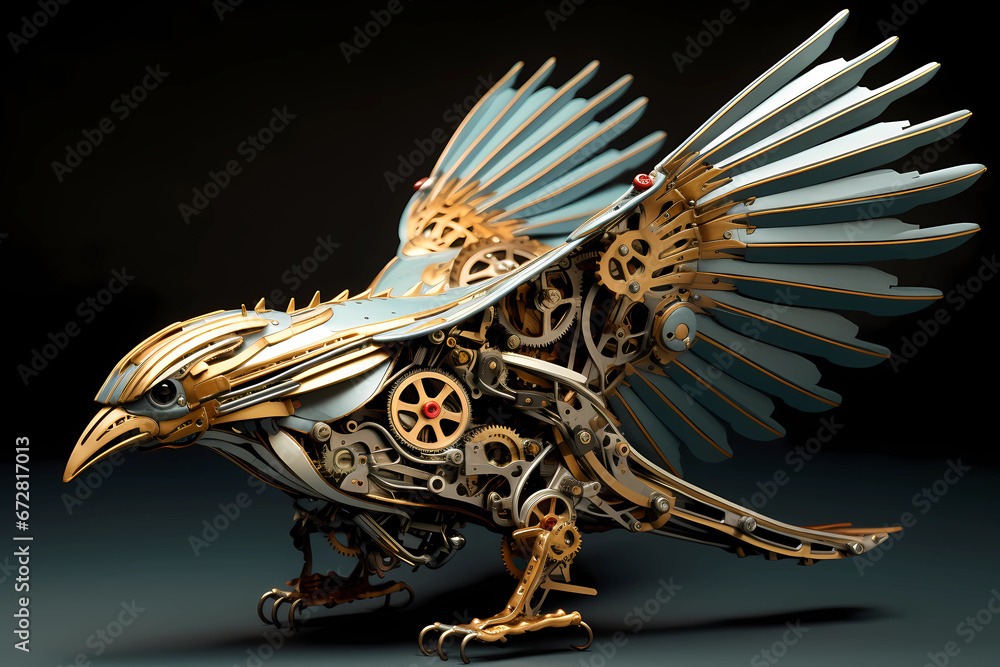
Robotic bird helps uncover the mysteries of flight turbulence
A live kestrel and it’s robotic counterpart. A bio-inspired robotic bird capable of mimicking the key movements of kestrels is helping researchers unravel the mysteries behind the species’ exceptional hovering capabilities. With atmospheric turbulence expected to worsen due to climate change, understanding how birds naturally cope with rough air could […]
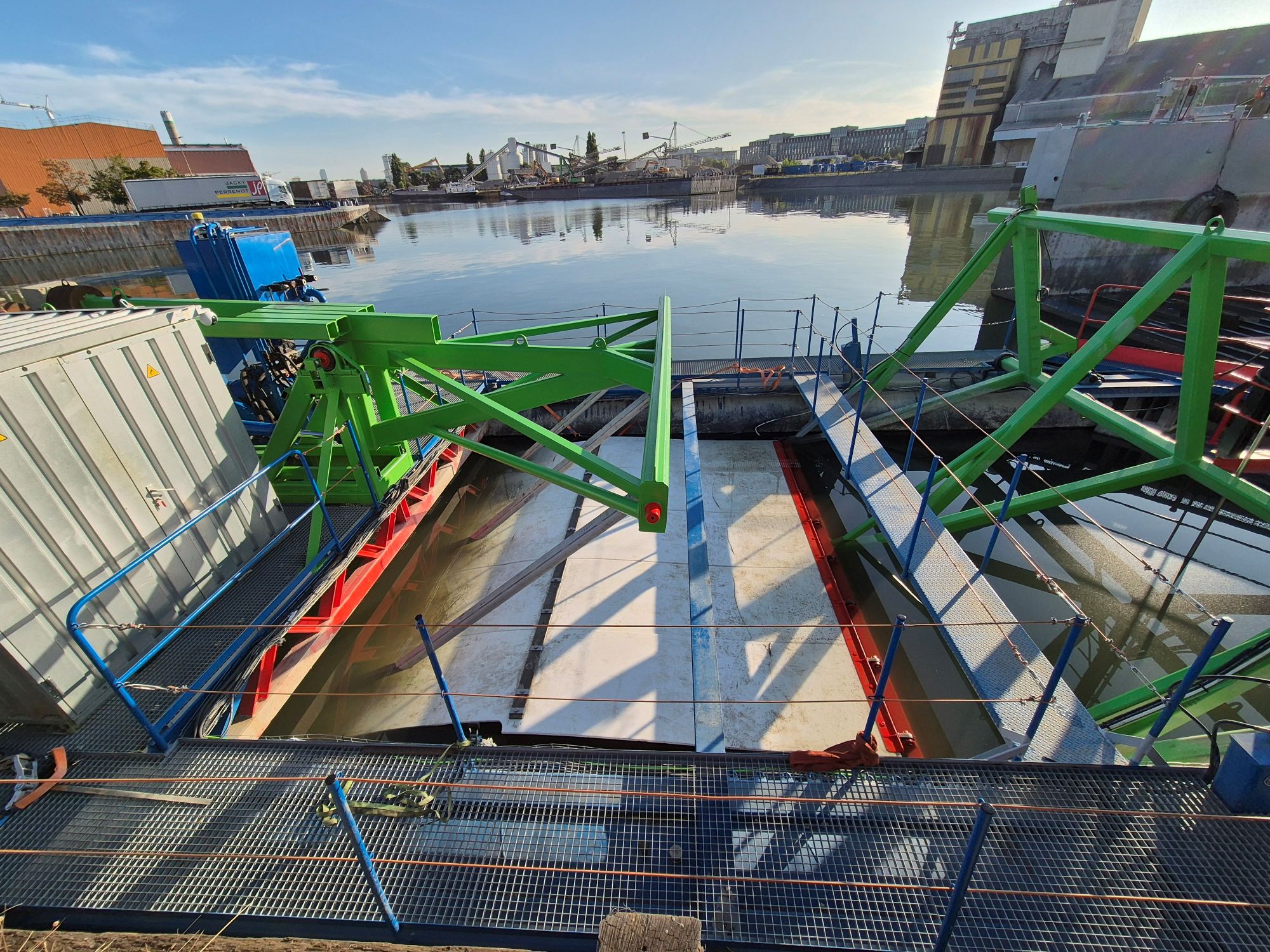
Bringing nature into engineering with carbon flat profiles
Society often draws inspiration from nature. Leonardo da Vinci studied birds to design flying machines, while Velcro was inspired by burdock burrs clinging to a dog. This approach imitates nature’s designs, known as biomimicry, but also addresses key human challenges through innovative engineering. With the same intention, French deeptech startup […]
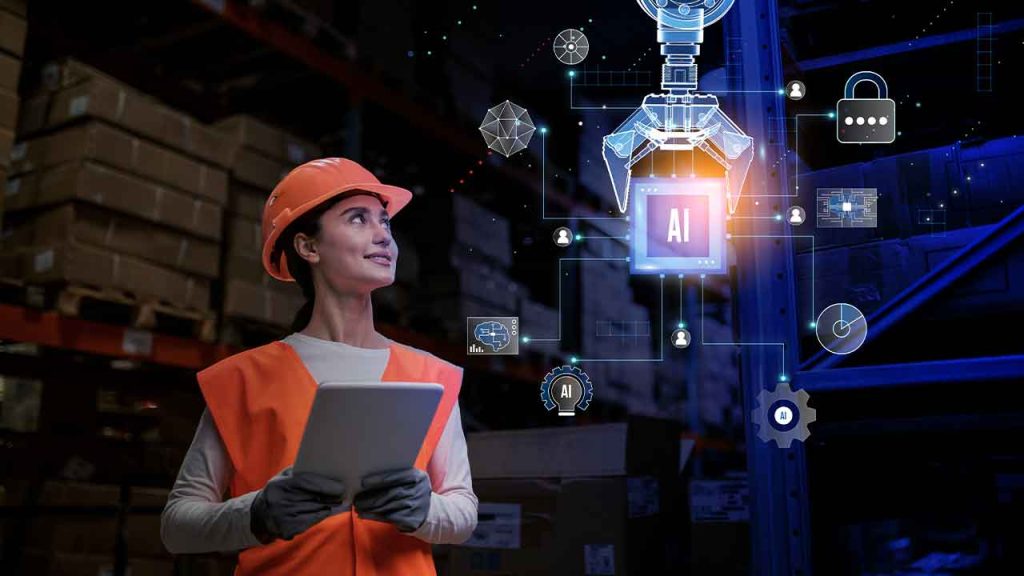
AI startups drive manufacturing transformation with automation and sustainability solutions
The global manufacturing sector is undergoing rapid transformation with artificial intelligence (AI) driving factory automation across the value chain, including product development, operations, process optimisation, and quality control. AI-focused startups are leading this shift with technologies such as AI-powered collaborative robots (cobots), real-time production simulations, generative design, predictive analytics, and […]

Computational “time machine” shows solar and wind on track for 2°C target but not for 1.5°C
Wind and solar power have grown faster than almost anyone predicted but projecting their future expansion remains surprisingly difficult. Researchers at Chalmers University of Technology, Sweden, have developed what they call a computational “time machine” – a model that outperforms existing projection methods by using AI techniques to analyse historical growth […]
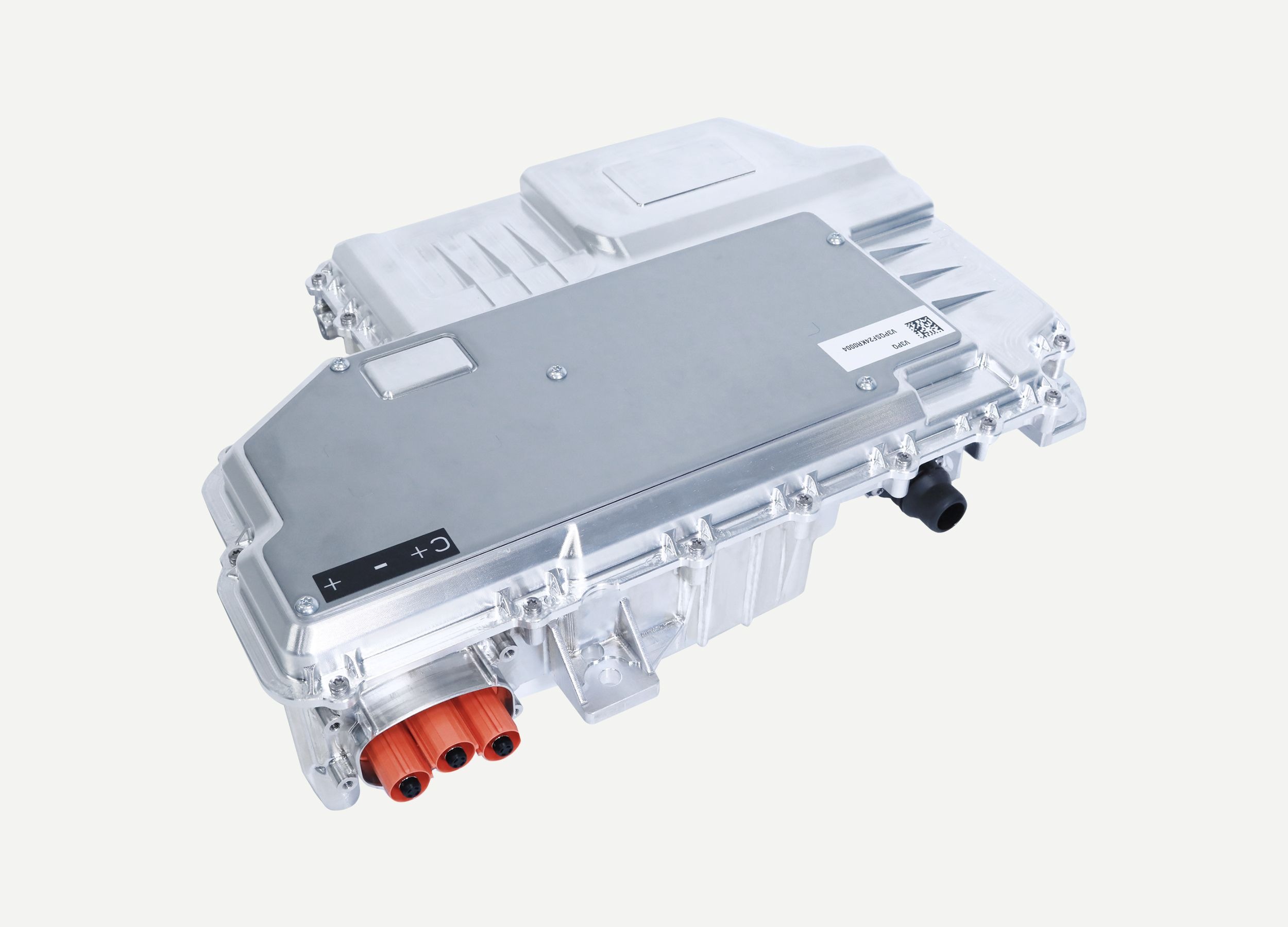
Quanta Computer selects Siemens Xcelerator to advance manufacturing innovation
Image courtesy of Quanta Computer Quanta Computer Inc., a global leader in consumer electronics OEM/ODM manufacturing, is using the Siemens Xcelerator portfolio of industry software to advance its global digital transformation to shorten development cycles and enhance responsiveness to market demand. The initiative establishes an integrated, collaborative environment […]

Shining across Southeast Asia — DUCO Robots leads the new era of smart manufacturing
The global semiconductor industry´s premier event, SEMICON Southeast Asia, was held in Kuala Lumpur, Malaysia recently. As a pioneering enterprise in China´s intelligent robotics field, DUCO Robots showcased a range of innovative products and cutting-edge industry solutions, demonstrating the hard-core strength and innovation of Chinese »Intelligent Manufacturing» in the high-end […]

Making digital leaps with ISO STEP standards
Industry collaboration between Sandvik Coromant and partners helps accelerate digital manufacturing Sandvik Coromant has participated in a successful research project for the Standard for the Exchange of Product (STEP) data. Together with GKN Aerospace Engine Systems, Chalmers University of Technology and Fraunhofer Chalmers Research Centre for Industrial Mathematics, the working […]

Fishbowl launches cloud-based AI operations platform to drive manufacturing productivity
Featuring embedded AI assistant Juno, the new cloud-based platform reduces manual workload for manufacturing businesses to drive sustainable growth. Fishbowl, the manufacturing and inventory management software for Xero and QuickBooks users, has launched its new cloud-based AI operations platform in APAC. Introducing AI operations assistant ‘Juno’, the platform debuts AI […]

Tech race shifts corporate spending from personnel to digital infrastructure
Layoff discussions among the influencers on the “X” platform signal a surging moment where workforce budgets are being diverted into massive digital infrastructure for staying ahead in the tech race. This structural shift suggests a permanent move in how organisations spend their money, as capital flows away from traditional resources […]

Astrolight wins Startup World Cup regional, heading to Silicon Valley to compete for $1M investment
Astrolight was announced as the winner of the Lithuanian regional competition for the Startup World Cup. Source: Astrolight. Astrolight will compete in the Startup World Cup Grand Finale in San Francisco as laser communication becomes a core technology for next-generation satellite networks. Vilnius, Lithuania. Astrolight, a Lithuanian space and defense […]

The next decade belongs to builders
A small set of repeatable, AI- enabled business-building plays is emerging as the fastest path to growth for industrial and energy leaders. Companies that treat venture building as a repeatable capability consistently outperform, achieving faster time to market, lower capital intensity, and higher success rates. AI is the catalyst. AI […]
Rockwell Automation: State of Manufacturing Report
95% of Asia Pacific Manufacturers Say Digital Transformation is Now Essential, as AI Adoption and Cyber Risks Accelerate 2026 State of Smart Manufacturing Report shows Asia Pacific manufacturers scaling AI, strengthening cyber defences and targeting measurable operational outcomes Rockwell Automation, Inc the world’s largest company dedicated to industrial automation and digital transformation, […]

Lawsuit dismissed
A nine-member federal jury in Oakland, California took less than two hours to dismiss Elon Musk’s lawsuit against OpenAI and its chief executive Sam Altman. Crucially, the jury did not rule on the core claims of the case. These included whether OpenAI, the company behind the popular artificial intelligence (AI) chatbot ChatGPT, strayed from its founding mission and whether Altman and OpenAI’s co-founder Greg Brockman enriched themselves at the expense of a charitable purpose. It decided only that Musk had waited too long to sue in relation to his core claims about breaches of a founding contract or breach of charitable trust. A victory for Musk could have neutered OpenAI, which in turn would have probably sent shockwaves through the entire AI sector given the company’s dominant position developing the technology. Now, however, OpenAI has a clear path to take its next big step in the AI race, even though the key question at the core of the case remains unanswered: is OpenAI a nonprofit dedicated to humanity or a corporation dedicated to its shareholders? How it all started OpenAI was founded in December 2015 as a nonprofit entity – an AI research lab. Musk and a group of prominent entrepreneurs pledged US$1 billion to develop AI for the benefit of humanity, free of commercial pressure. Alongside Musk, the founding group included Altman, Brockman and computer scientist Ilya Sutskever. The organisation’s charter committed to two key principles. First, developing AI safely and for the benefit of all of humanity. Second, developing the technology openly, meaning it would be open source. This would allow others to use their underlying models, code, and research freely. This was the deal Musk says he signed up for. And OpenAI claims it continues to honour this deal even today, despite more than US$20 billion in revenue in 2025. […]